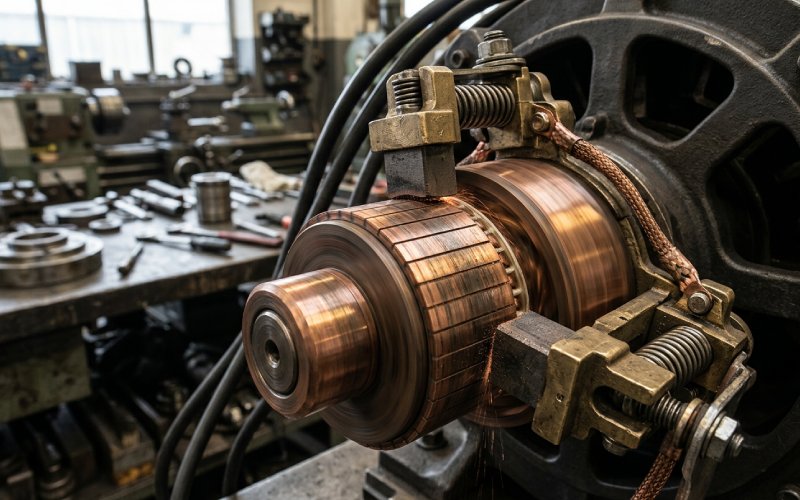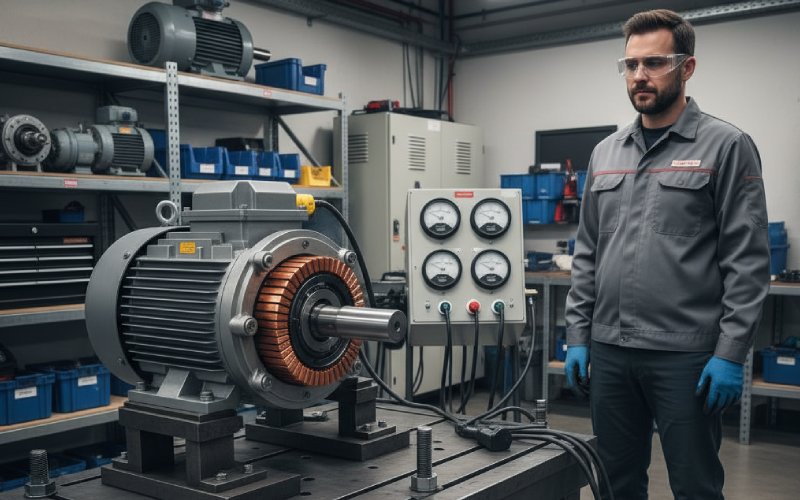
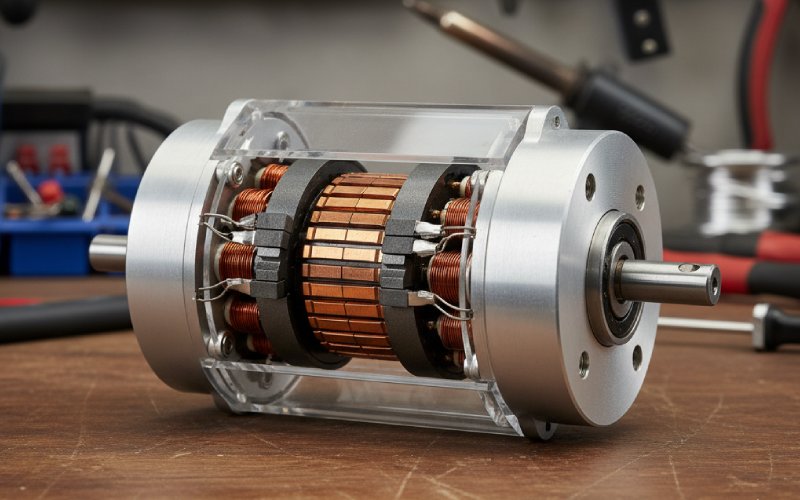
Why Commutators Are Still Essential in Modern DC Motors
Most buyers who contact us are not asking whether a commutator is old. They are asking something narrower: will the motor start cleanly on direct DC, survive intermittent overload, stay serviceable, and keep replacement costs under control.
That is where the commutator still holds its place. Not in every motor. Not by default. But in many DC motor programs, keeping commutation inside the motor still gives the cleaner system. Fewer electronics. Easier startup. Lower integration burden. A wear interface that can be designed, inspected, and replaced.
Need a custom DC motor commutator? Send us the motor voltage, speed, duty cycle, brush material, and installation space. We can review the application before tooling starts.
Table of Contents
Why Commutators Still Matter in Modern DC Motors
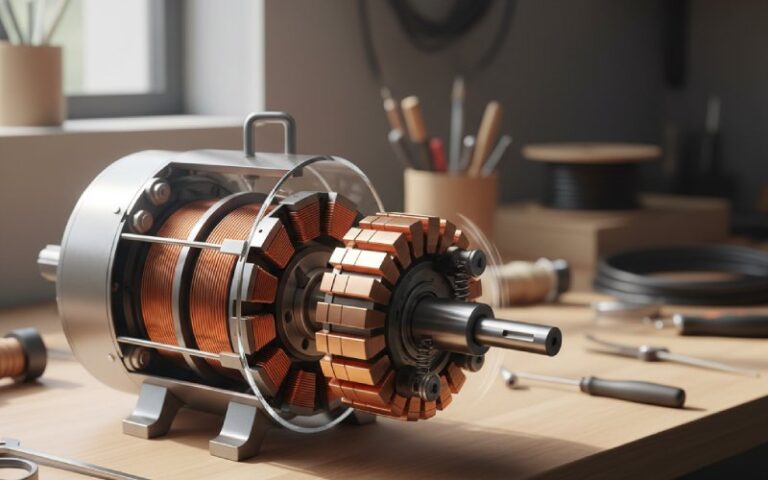
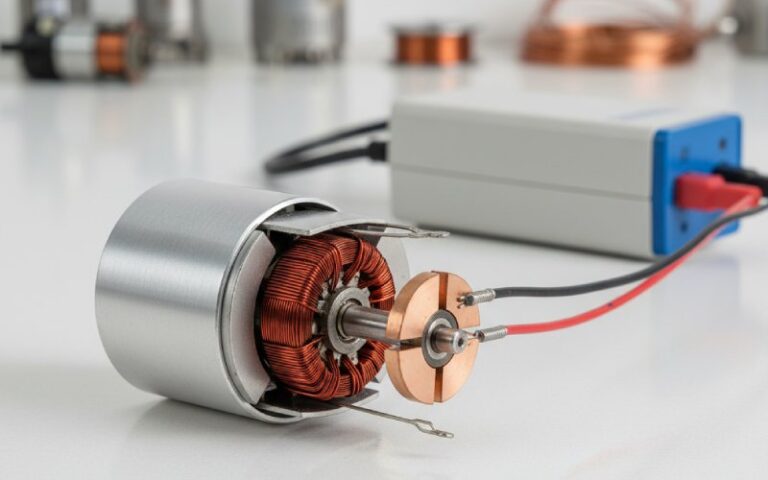
A commutator is still one of the shortest paths between a DC supply and usable shaft torque. That matters in low-voltage drives, compact auxiliary motors, intermittent-duty products, and designs that do not need a full electronic commutation stack.
We see the same pattern again and again in factory work: once the application values direct DC input, high starting torque, simple wiring, serviceability, and controlled replacement parts, the brushed architecture stops looking old and starts looking efficient.
Direct Torque and Lower System Complexity
The better question is not brushed or brushless. The better question is where the commutation work should happen.
If it happens inside the motor, the system can stay simpler. Startup does not depend on sensor logic or back-EMF estimation. Reversal is easier. Controller validation is lighter. In cost-sensitive OEM programs, that alone can settle the architecture early.
This is one reason we still recommend a brushed DC motor commutator for repeated start-stop duty, abrupt load changes, short burst operation, and field-serviceable products. The architecture is direct. That helps.
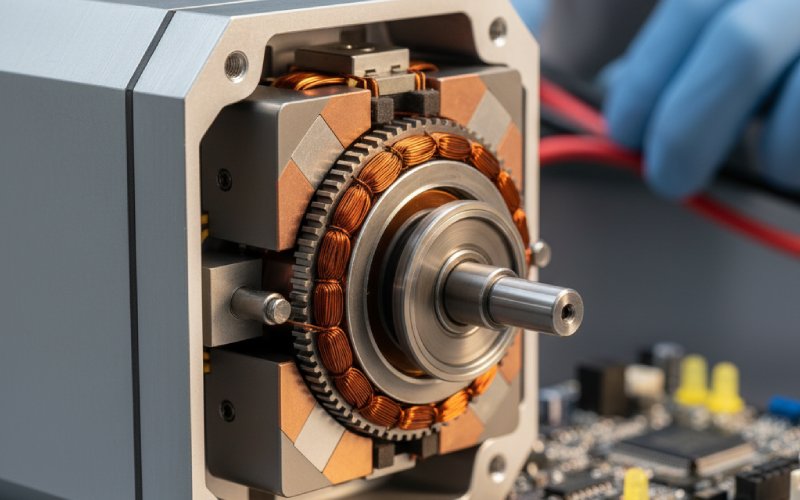
What Makes a Reliable DC Motor Commutator
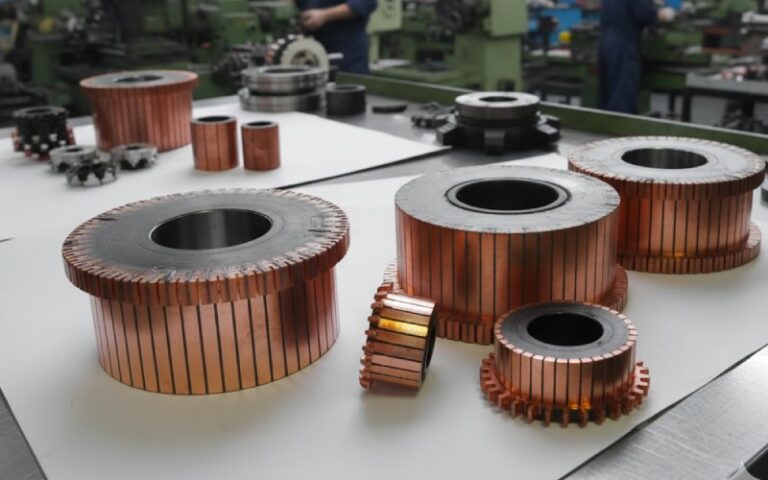
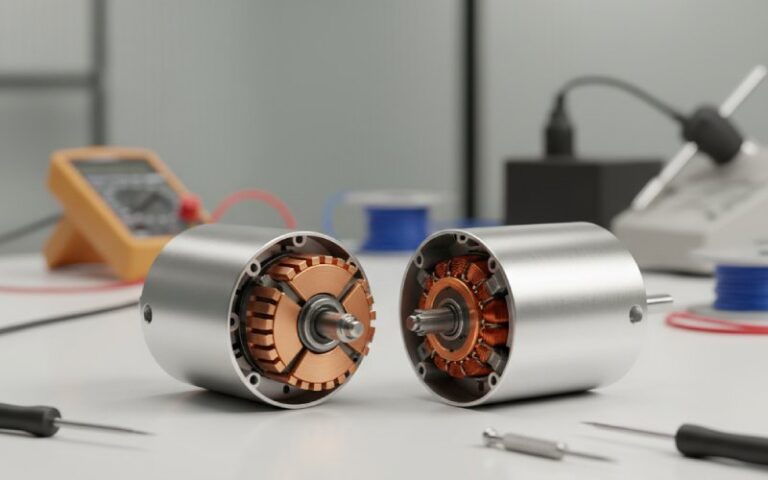
A reliable commutator is not just copper segments on a hub. Most failures begin in the contact system around it.
Brush Film Is Not a Surface Detail
When the motor is healthy, the commutator film is even and usually sits in the brown range. When the film turns unstable, the surface starts to show it quickly: threading, copper drag, pitting, blackening, bar-edge heating, uneven brush tracks. Light load can be just as troublesome as overload because weak current density may stop the film from maintaining itself. That point gets missed a lot.
In our production work, brush film control starts long before final assembly. Segment finish, bar-edge condition, spring pressure window, brush holder stability, and contamination control all feed the same result. A commutator surface is an operating interface. Not a passive copper ring.
Mica Undercut and Bar-Edge Geometry Decide Contact Stability
Poor mica control shows up fast. Too high, and the brush starts losing stable contact. Poor edge condition adds another problem: local heating and bar-edge damage. We keep undercut depth, chamfer consistency, and burr control tight because these are small dimensional details with immediate electrical consequences.
Runout Control Is Also Electrical Control
Runout is usually treated like a mechanical tolerance only. On a commutator, that is incomplete. Excessive runout changes contact pressure as the rotor turns. Then current distribution shifts. Then sparking follows.
This is why we check concentricity and running accuracy as part of commutator quality, not as a separate shaft issue. If the surface is not stable under the brush, the rest of the design never gets a fair test.
Low-Voltage Motors Need a Different Material Discussion
At low applied voltage, brush voltage drop stops being a background issue. It can become the first filter in brush and commutator matching. At higher voltage, other factors start to lead: speed, wear, lubricity, abrasiveness, current capacity, temperature. Same motor family. Different priorities.
That is why we do not treat a custom commutator inquiry as only a drawing exercise. Voltage class changes the contact system.
How We Reduce Commutator Sparking and Early Wear
Sparking rarely comes from one cause for long. It is usually a stack of smaller errors:
- off-neutral brush setting
- unequal spring pressure
- unstable film
- poor holder guidance
- excessive runout
- wrong brush grade for the duty
- overload, or the opposite problem, long light-load operation
- bar-edge defects
- contamination in the operating environment
- uneven current distribution across the brush track
Our practical fix is also a stack. We review duty cycle, supply type, speed, current peaks, brush material, rotor balance, segment count, mica undercut, and space claim together. Not one by one. A commutator usually does not fail because one value drifted a little. It fails because several acceptable deviations met each other in the same motor.
Where a Custom Commutator Still Makes More Sense
There is no point pretending one architecture wins every time. It does not. But a custom commutator still has a clear place in modern DC motor design when the application looks like this:
| Application condition | Why we still recommend a commutator | What we engineer most carefully |
|---|---|---|
| Direct DC input with limited electronics budget | Internal commutation reduces controller burden and simplifies startup | Segment layout, brush drop, EMI path |
| Repeated start-stop or reversing duty | Immediate torque and simple reversal behavior | Brush pressure, film stability, bar-edge condition |
| Low-voltage compact motors | Direct architecture remains efficient at system level | Brush/commutator pairing, contact drop, wear rate |
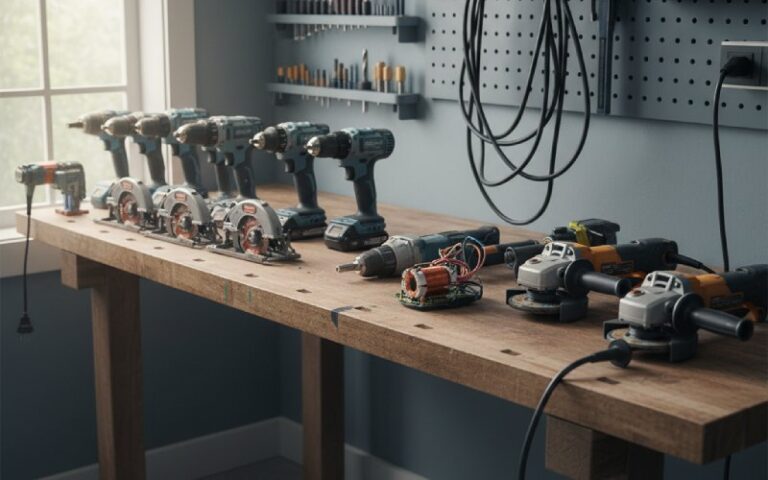
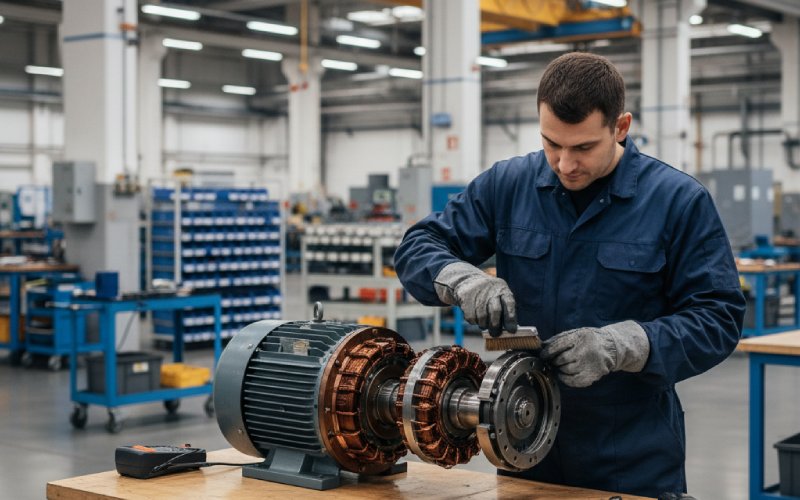
| Serviceable industrial tools or auxiliaries | Brushes and commutator can be inspected and replaced in the field | Runout, mica control, replacement consistency |
| Intermittent overload or short burst duty | The motor can absorb brief torque demand without extra commutation logic | Current density window, thermal margin, film recovery |
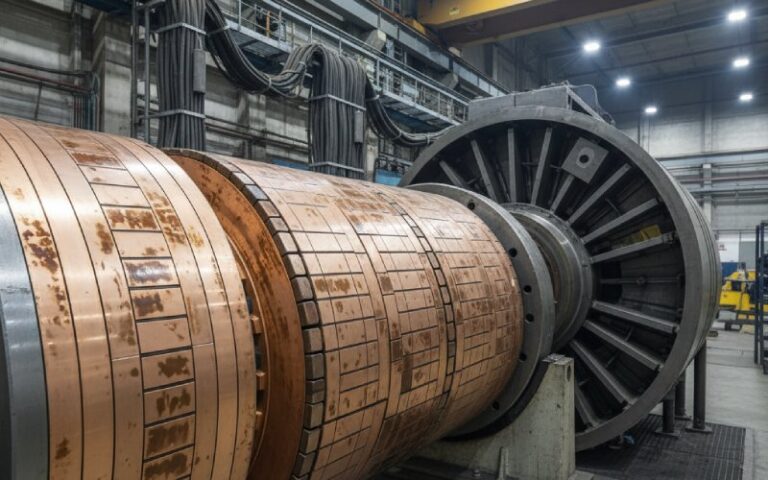
| Larger loaded DC machines | Commutation can remain stable when the neutral zone is managed correctly | Interpoles, compensation strategy, brush position |
The last row matters. Under load, armature reaction shifts the neutral zone. In larger machines, stable commutation often depends on managing that shift with brush position, interpoles, or compensation. Ignore that and the motor may behave well at no-load, then start damaging the commutating zone under real current.
Working on a high-speed motor, low-voltage motor, or intermittent-duty platform? Ask us for a commutator review against speed, current density, and brush system before you freeze the rotor design.
What We Need Before We Recommend a Commutator Design
If an OEM sends only outer diameter and segment count, the discussion stays shallow. We normally ask for:
- rated voltage and supply type
- continuous current and peak current
- rated speed and overspeed limit
- duty cycle and start-stop frequency
- brush grade or target brush family
- shaft envelope and stack length limits
- temperature range and contamination risk
- expected life target and service model
From there we can say something useful: copper segment geometry, insulation approach, mica undercut target, tolerance window, and whether the contact system is likely to stay stable in the real duty, not the catalog duty.
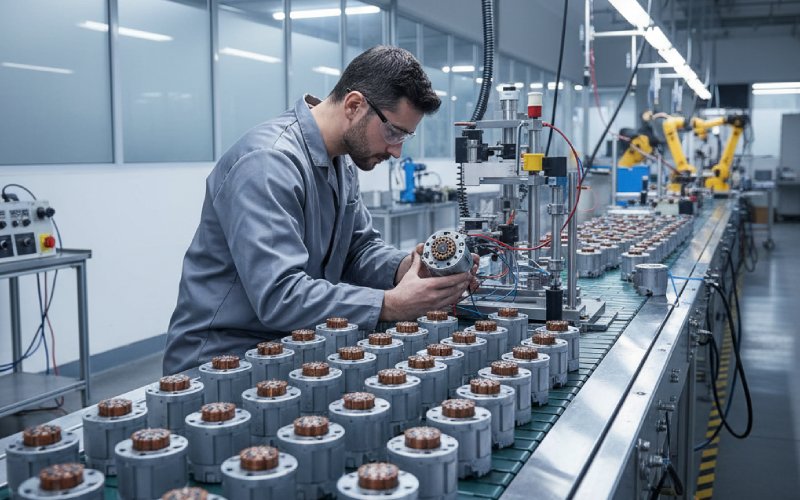
Why Some OEM Programs Still Move Back to Commutators
Usually for one of four reasons.
First, the controller budget drifted. Second, startup behavior became less clean than planned. Third, field replacement mattered more than headline efficiency. Fourth, the application did not need the extra control layer after all.
That is the quiet part of this market. A commutator is not always selected because it is newer or older. It is selected because it is adequate in the right way. More direct. Easier to validate. Easier to service. Often easier to cost.
FAQ
Are commutators still used in modern DC motors?
Yes. We still specify them for many direct-DC, low-voltage, intermittent-duty, and serviceable motor platforms where internal commutation keeps the overall system simpler.
Why does a commutator still make sense when brushless motors are available?
Because system cost is not motor cost alone. A commutator can reduce controller complexity, startup logic, integration work, and service burden.
What usually causes commutator sparking?
Most cases come from a combination of factors:
off-neutral brush position
unstable brush film
unequal spring pressure
excessive runout
wrong brush grade
contamination
overload or persistent light-load operation
poor mica or bar-edge condition
Can light load damage a commutator?
Yes. In some motors, long light-load operation does not maintain a healthy film. The surface then starts threading or dragging even though the motor was never heavily loaded.
What should I send a commutator manufacturer for a design review?
Send these first:
motor voltage
speed range
rated and peak current
duty cycle
brush material
life target
space limits
operating environment
That is enough to start a real recommendation instead of a generic quote.
Do low-voltage DC motors need a different commutator approach?
Usually, yes. Low-voltage platforms make brush contact drop more sensitive, so the brush and commutator pairing often has to be selected differently from a higher-voltage motor.
Final Engineering Note
A commutator is still essential in modern DC motors when the application values direct torque, simple DC architecture, controlled serviceability, and a wear interface that can be engineered instead of pushed into a more complex drive layer. That is still a large part of the market. Not all of it. Enough of it.
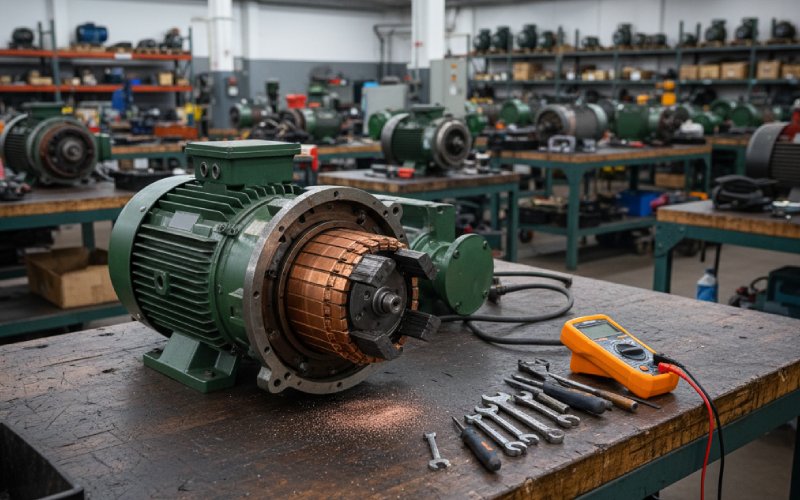
Need a custom commutator quotation or drawing review? Send us your motor data or current failure photos. We can review segment design, material matching, mica control, and likely commutation risk before sampling.