Does a Single Phase Motor Have a Commutator?
No, most standard single-phase motors do not have a commutator. Typical single-phase induction motors use a squirrel-cage rotor and start by means of an auxiliary winding, capacitor, or shaded-pole structure instead. Some single-phase motors do use a commutator, especially universal motors and certain older repulsion-start designs.
For sourcing, the real question is different: which single-phase motor are you dealing with, and is the commutator actually a replacement part in your case?
Table of Contents
Do Single-Phase Induction Motors Have Commutators?
No.
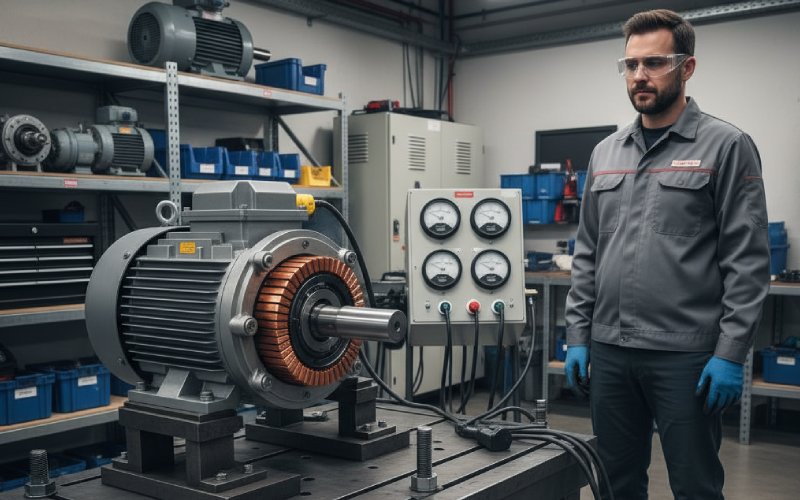
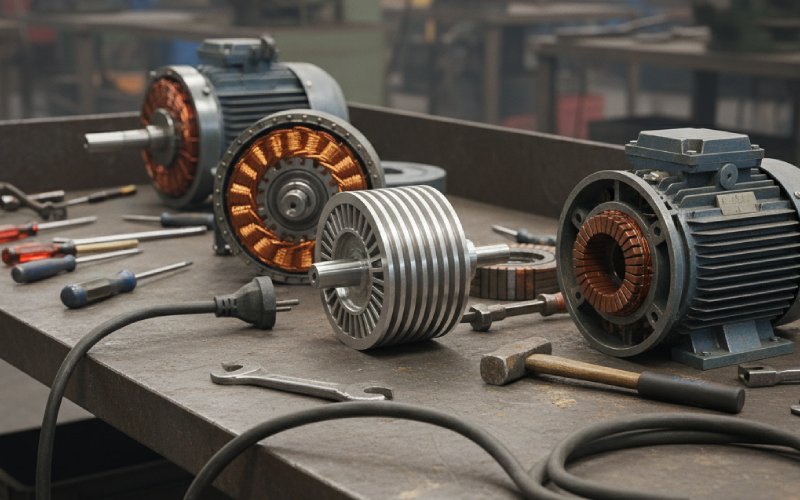
If the motor is split-phase, capacitor-start, permanent-split-capacitor, capacitor-start/capacitor-run, or shaded-pole, it is normally a single-phase induction motor. In that motor family, the rotor is typically squirrel-cage type, so there is no commutator to replace. Starting is handled on the stator side by winding arrangement, capacitor phase shift, or shading structure.
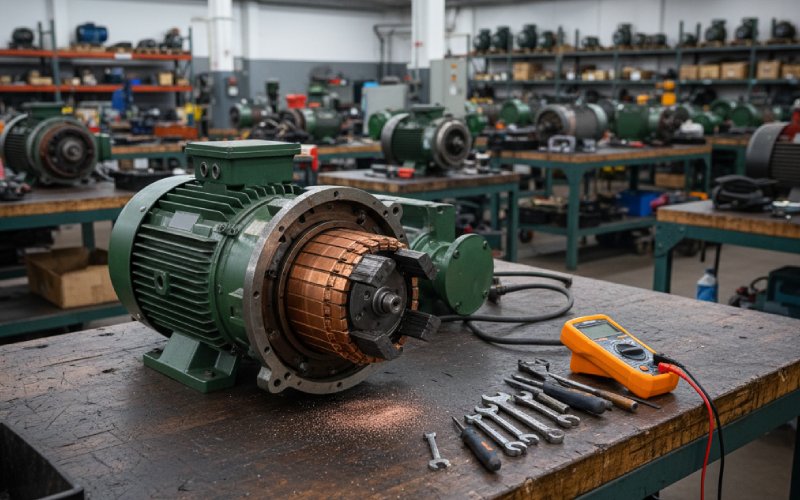
This point matters because many buyers search for “single-phase motor commutator” when the actual failure is elsewhere: capacitor, switch, winding, bearing, or rotor bar condition. We see that often in replacement inquiries.
Which Single-Phase Motors Use a Commutator?
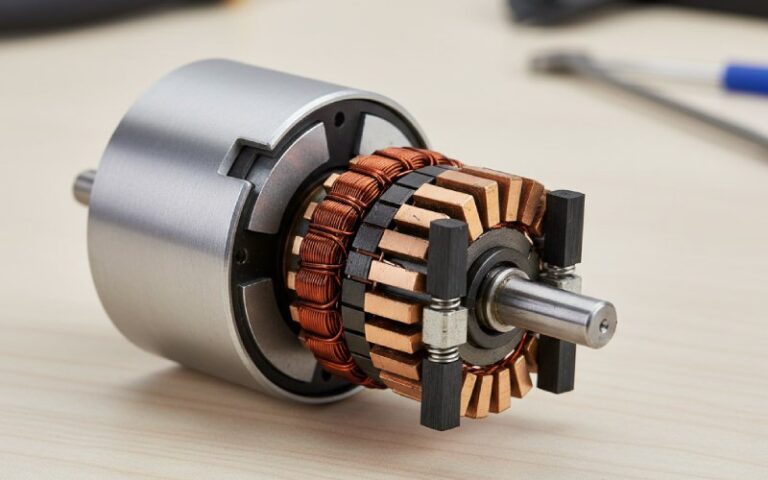
The main single-phase motor type that uses a commutator in current practical applications is the universal motor. This is a commutated series-wound motor that can run on AC or DC. It is still used where compact size, high starting torque, and high speed matter more than brushless service life.
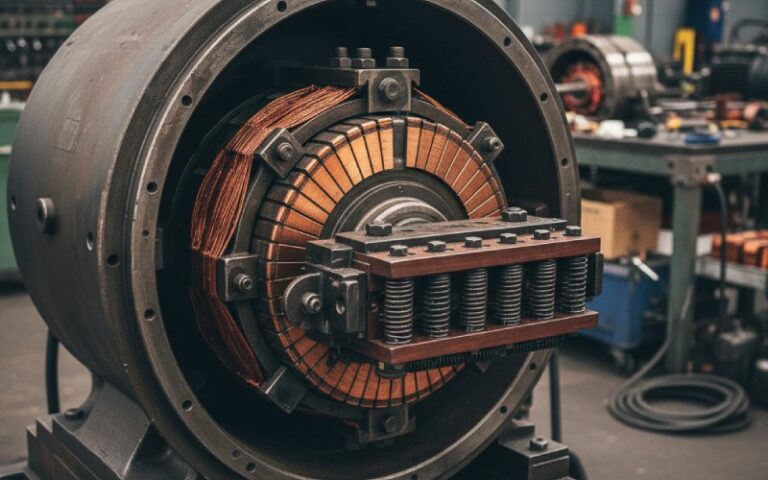
There is also the repulsion-start motor and related older repulsion-start induction-run designs. These use a commutator and brush arrangement for starting, then shift into induction-type running once speed rises and the commutator segments are short-circuited by the starting mechanism. These are not the first motor type a buyer sees today, but they still appear in legacy equipment and repair projects.
So the short factory answer is this:
- Most single-phase induction motors: no commutator
- Single-phase universal motors: yes, commutator
- Older repulsion-start designs: yes, commutator during starting function
How to Identify a Commutator in a Single-Phase Motor
The fastest check is visual.
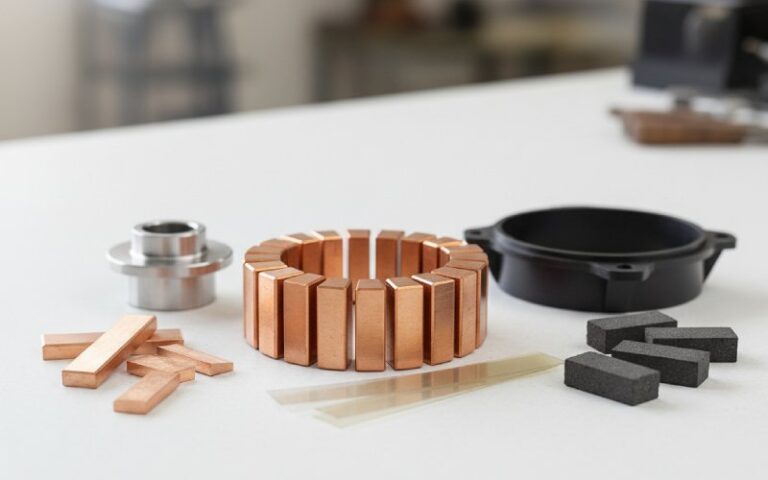
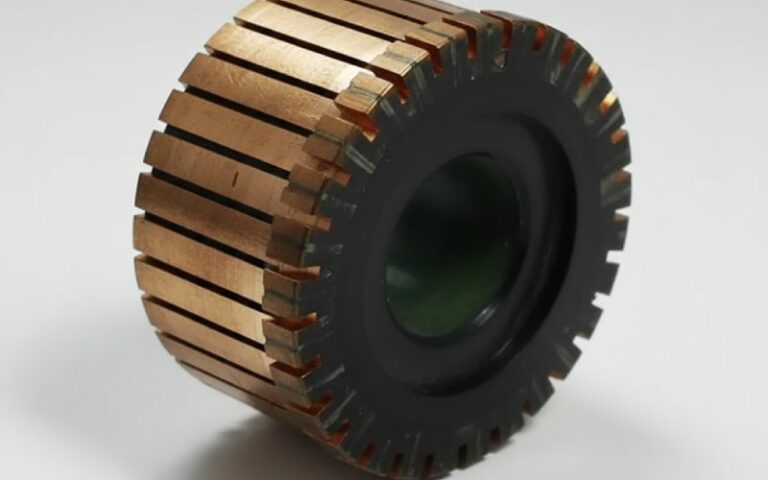
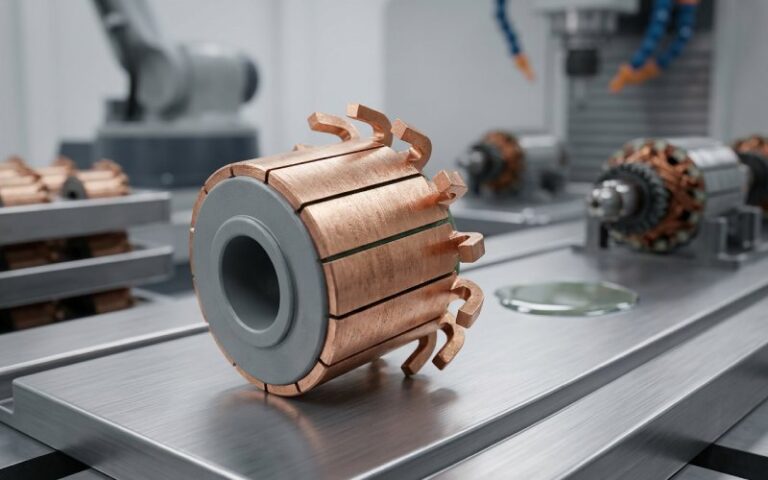
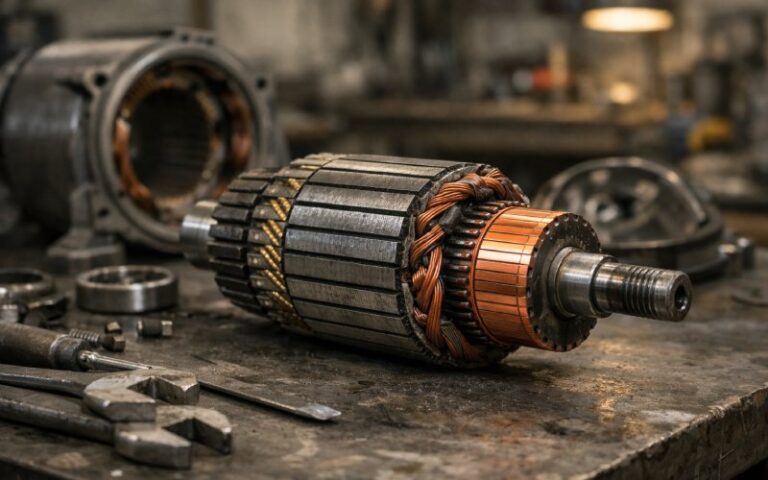
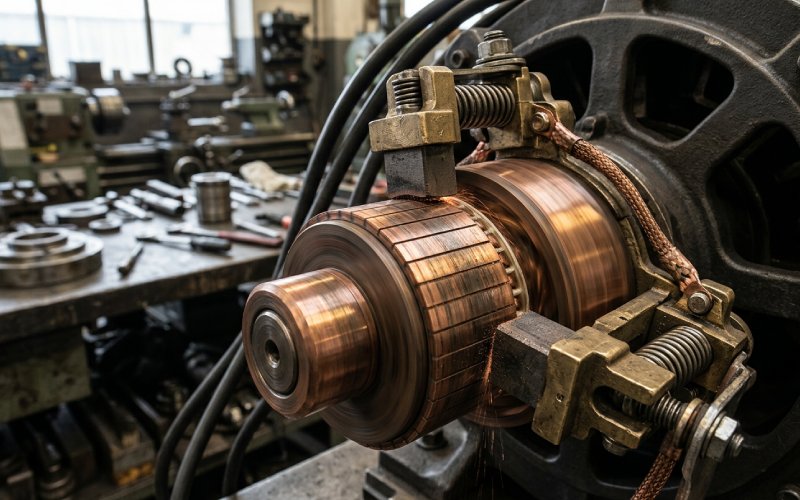
A true commutator is a segmented copper ring on the rotor. The brushes ride on separate copper segments, not on one continuous ring. Those segments switch current relative to rotor position. That is what makes the part a commutator, not just a brush-contact surface.
A few buyers confuse a commutator with slip rings. That causes bad RFQs. Slip rings are continuous rings. A commutator is segmented. If you see carbon brushes touching a segmented copper cylinder, you are in commutator territory. If the rotor is squirrel-cage and there is only a capacitor can outside the frame, you are usually not.
Single-Phase Motor Types and Commutator Requirements
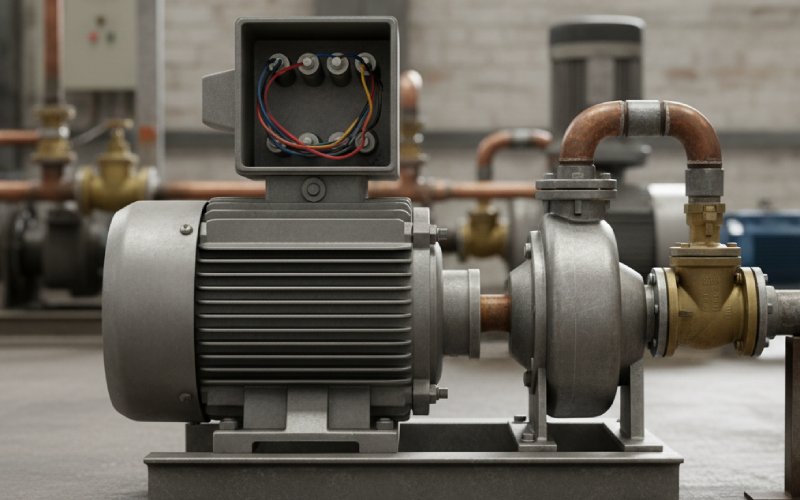
The table below is how we sort inquiries before quoting anything. It saves time. It also avoids quoting a commutator for a motor that never had one.
| Single-phase motor type | Commutator? | What we check first | Usually within commutator supply scope? |
|---|---|---|---|
| Split-phase induction motor | No | Start winding, switch, rotor type | No |
| Capacitor-start induction motor | No | Start capacitor, centrifugal switch, rotor | No |
| PSC motor | No | Run capacitor, winding balance, bearing condition | No |
| Capacitor-start / capacitor-run motor | No | Dual-capacitor circuit, start and run current | No |
| Shaded-pole motor | No | Pole shading ring, coil condition, small-load duty | No |
| Universal motor | Yes | Commutator OD, segment count, brush track, speed | Yes |
| Repulsion-start motor | Yes | Brush position, commutator condition, shorting mechanism | Yes, case by case |
If you are sourcing a commutator for a single-phase universal motor, send us the outer diameter, length, segment count, shaft size, and application. A drawing or armature sample is even better.
Commutator Specifications for Single-Phase Universal Motors
Once the motor is confirmed as a universal motor, the article should stop being theoretical and move into specification work.
In our factory quotations, the first data points are usually:
- outer diameter
- inner diameter or shaft hole
- total length
- segment quantity
- riser style
- insulation structure
- operating speed
- voltage and load type
- brush grade, if already known
Why so early? Because “single-phase motor commutator” is not a usable purchasing description. A high-speed cleaner motor, a portable tool motor, and a small appliance motor may all be single-phase and commutated, but the commutator build can be completely different in segment layout, copper thickness, thermal margin, and brush interface. The wrong part may fit on the shaft and still fail in service.
For replacement business, buyers should also confirm whether they need:
- commutator only
- commutator with armature repair
- custom commutator for new motor development
- sample-based reverse engineering
That distinction changes lead time more than many buyers expect.
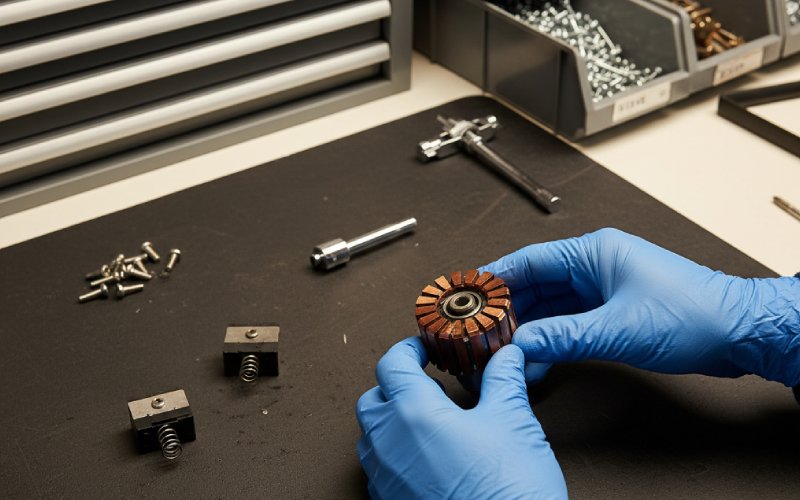
Why Single-Phase Universal Motor Commutators Wear Faster
This is one reason the search term matters. A universal motor really does create a recurring commutator demand.
Compared with standard induction motors, universal motors rely on brushes and mechanical commutation. That means friction, carbon dust, heat, segment wear, and arcing all become part of normal service behavior. High speed makes the situation more aggressive, not less.
In failure analysis, the patterns we most often pay attention to are:
- uneven brush track
- copper discoloration near segment edges
- mica condition
- slot contamination
- segment lifting or instability at high speed
- abnormal wear linked to brush mismatch or overload
Not every damaged commutator should be replaced with the same geometry and material stack. Sometimes the dimensions are correct and the duty cycle is the real problem. Sometimes the armature balance is part of it. Sometimes the customer is simply running the motor far beyond its intended load window.
Choosing the Right Commutator for Single-Phase Universal Motors
If the motor is a universal motor, the buying logic is straightforward.
First, confirm the motor family. Then confirm the commutator dimensions. Then confirm the real operating conditions, not just the nameplate.
That last part gets skipped too often.
For OEM and replacement projects, a usable inquiry normally includes the motor type, rated voltage, speed range, armature photo, commutator dimensions, and expected duty. If the old part failed, a few close photos of the wear pattern help more than a long email.
Need a custom commutator for a single-phase universal motor project? Send us your drawing, sample, or key dimensions for a factory-direct quotation.
FAQ About Single-Phase Motor Commutators
Does a capacitor-start single-phase motor have a commutator?
No. A capacitor-start single-phase motor is an induction motor. It uses a start circuit to create starting torque, not a commutator on the rotor.
Does a PSC motor have a commutator?
No. A permanent-split-capacitor motor uses main and auxiliary windings with a continuously rated capacitor. It does not use a commutator.
Does a universal motor have a commutator?
Yes. A universal motor is a commutated series-wound motor and normally uses brushes and a commutator. It can operate on AC or DC supply.
How do I know whether my single-phase motor needs a commutator replacement?
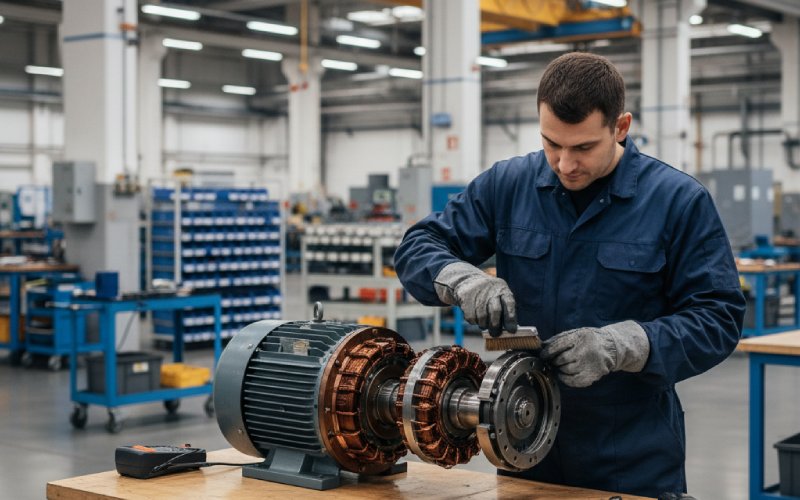
Check the rotor construction first. If the rotor has a segmented copper commutator with brushes riding on it, then yes, commutator replacement may be relevant. If the motor is a standard induction design with squirrel-cage rotor, it does not have a commutator to replace.
What information is needed to quote a commutator for a single-phase universal motor?
The basic quotation data should include outer diameter, inner diameter, total length, number of segments, riser form, shaft size, application, voltage, speed, and photos or drawings if available. For worn parts, an armature sample is often the fastest route to confirmation. This specification logic follows from how universal motors and commutators are built and how segment geometry affects service behavior.
Why does a single-phase universal motor commutator wear out quickly?
Because the motor depends on mechanical commutation. Brushes slide on segmented copper at speed, so friction, heat, arcing, and dust are normal wear drivers. Load, overspeed, brush grade, and segment stability all affect service life.
Do old repulsion-start motors have a commutator?
Yes. Repulsion-start motors use a commutator and brushes for starting, then transition toward induction-type running once the shorting mechanism acts on the commutator.
Final Answer
Most single-phase motors do not have a commutator. Standard single-phase induction motors are commutator-free. The single-phase motors that do use a commutator are mainly universal motors and certain older repulsion-start designs.