Precision-Grade Automotive Motor Commutators
Copper segment commutators engineered to help reduce brush sparking, motor noise, and early wear through controlled geometry, clean edges, and stable contact surfaces.
XDC supports aftermarket brands and Tier-2 suppliers with repeatable production controls, documented inspection, and traceability options.
Fast response: typically within 12 business hours
Send files: PDF / STEP / DWG (samples or photos accepted for initial evaluation)
What We Manufacture
Automotive commutators used in brushed motor programs such as:
- Blower / HVAC motors
- Wiper motors
- Window lift / seat / mirror motors
- Fuel pump motors
- Starter motors (heavy-duty designs with enhanced segment retention and mechanical robustness for high-current cranking)
- Other auxiliary brushed motor applications
We manufacture to customer drawings and confirm structure + CTQ controls during engineering review.
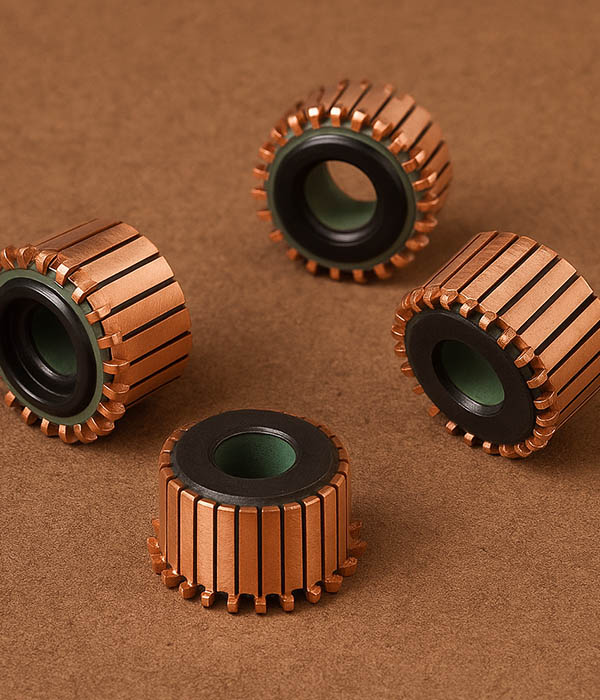
Car Motor Commutators by XDC
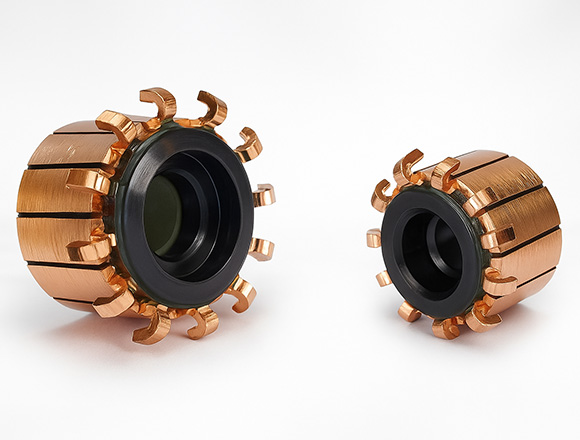
Explore our car commutator range for brushed DC motors used in automotive systems. We supply copper commutators in multiple outer diameters and segment counts, with common terminal styles such as hook and tang for secure winding connection. Options cover micro to larger motor sizes and support stable commutation in compact assemblies. Custom specifications are available for OD, segments, bore, and terminal form to match your motor design requirements.
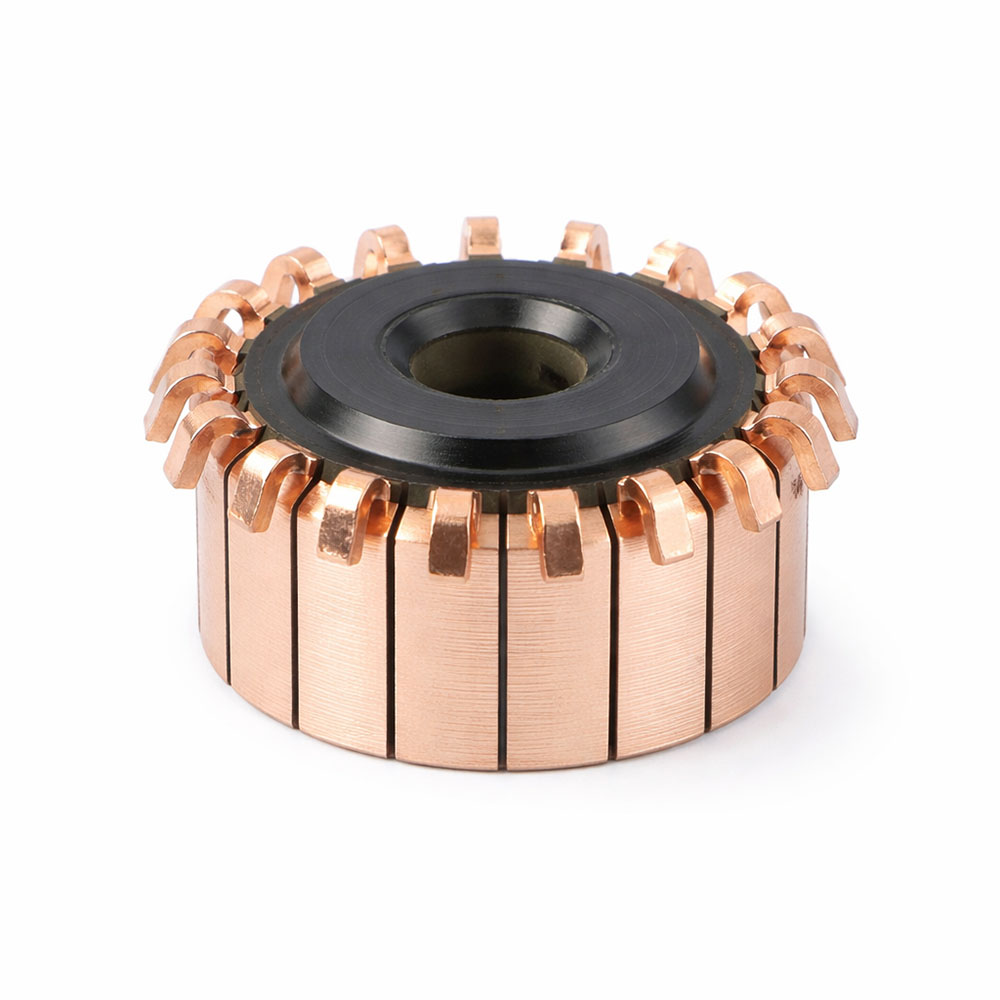
High-Torque Starter Motor Commutator (OD 36.6mm)
Heavy-duty structure designed for high-current cranking. Features enhanced mechanical segment retention and thermal shock resistance for automotive starter programs.
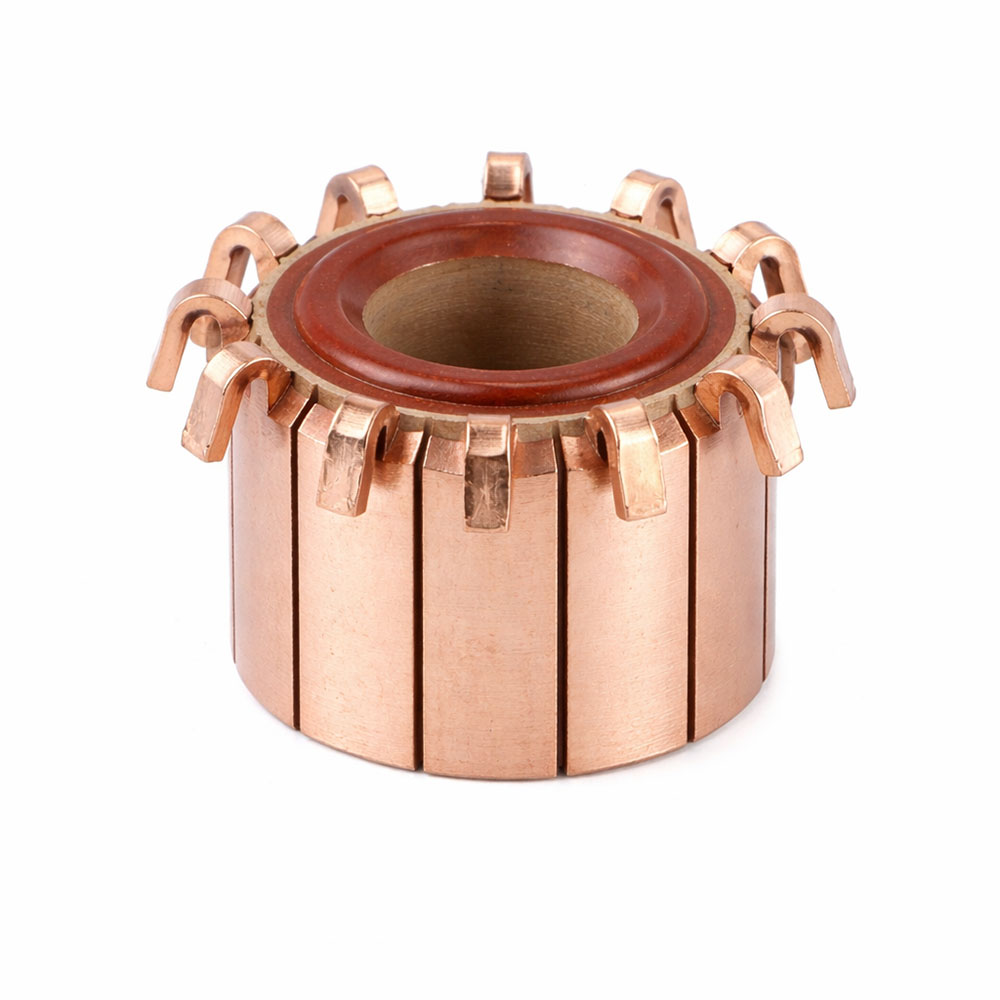
Automotive HVAC Blower Commutator (OD 28.3mm)
Optimized for continuous duty cycles and long life in blower and HVAC motor assemblies. Focused on surface finish consistency to minimize brush wear and noise.
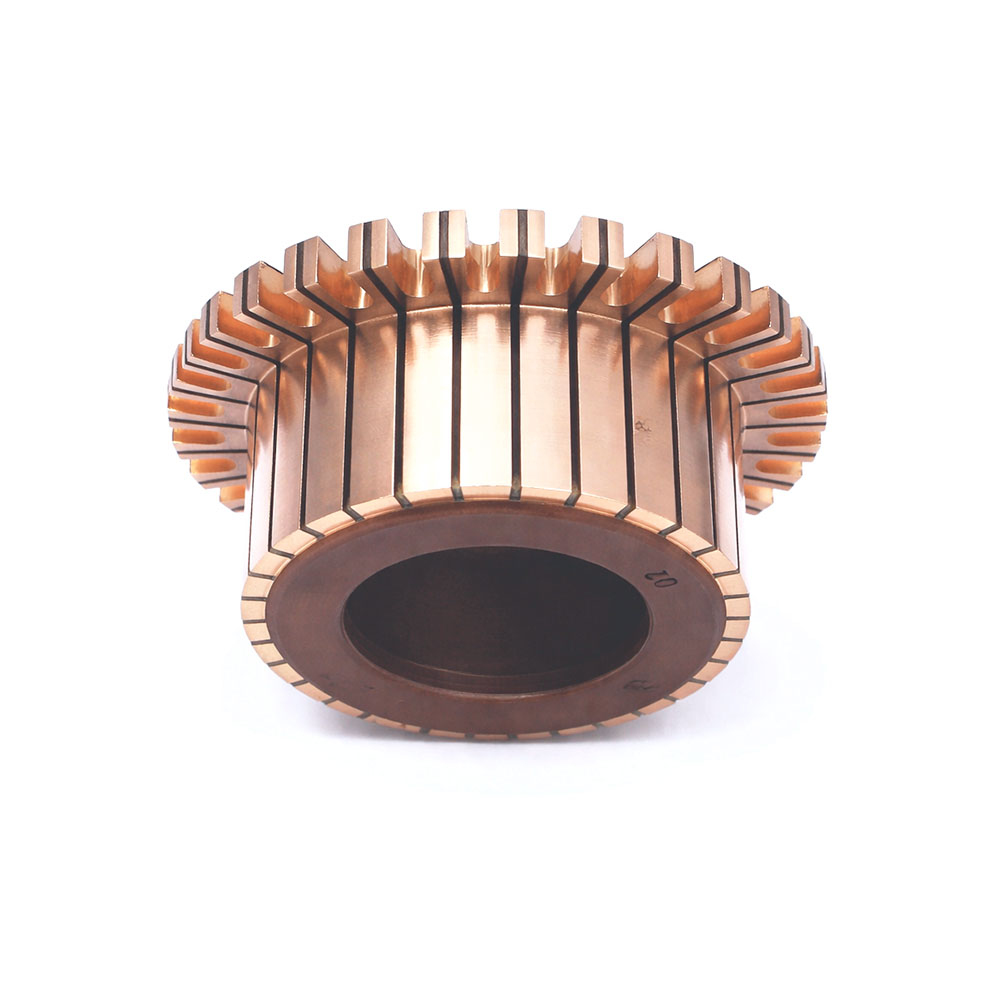
High-Precision Multi-Segment Commutator (OD 33mm)
29-segment design for smooth, low-ripple commutation. Ideal for high-performance auxiliary motors requiring stable electrical contact and reduced EMI.
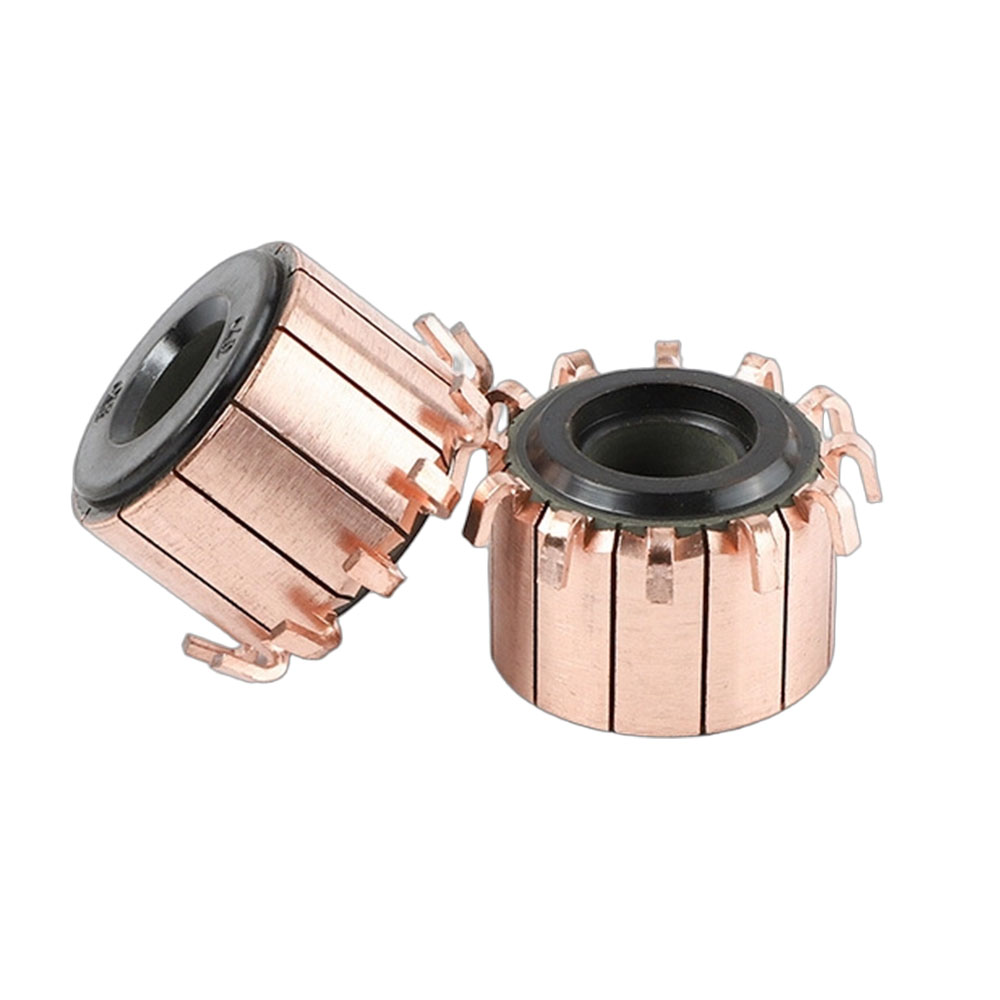
Heavy-Duty High-Current Starter Commutator (OD 35.5mm)
Robust 12-segment structure engineered to handle high-ampere cranking peaks and thermal surges. The increased segment width and thermal mass make it ideal for automotive starter motors and heavy-duty power-assist applications where mechanical integrity under load is critical.
Why Choose XDC Commutator?
Built for Automotive Duty Cycles
Automotive motors face vibration, temperature cycling, start/stop events, and long operating hours. Our commutators focus on:
- Stable commutation to reduce sparking and abnormal brush wear
- Geometry stability to reduce noise/vibration risk and improve consistency
- Edge & slot integrity to protect brush contact and reduce short-risk
Process Control, Not Just Final Sorting
We don’t rely on end-of-line sorting to “find bad parts.” Our approach emphasizes:
- CTQ definition during drawing review
- In-process monitoring to catch geometry drift early
- Final verification aligned to program requirements
- Recorded measurement results available for qualification and ongoing supply
ISO 9001 Quality Management System
Our operations run under an ISO 9001 quality management system. Inspection records, material certificates (as required), and traceability options can be provided based on program needs.
Commutator Types & Structures
We manufacture common structures (subject to feasibility review):
- Hook-type commutators
- Tang-type commutators
- Slot-type commutators
- Flat commutators
- Custom terminals and special structures
Item | Typical Range / Options |
Outer Diameter (OD) | 5–60 mm |
Segment Count | 3–48 |
Stack Height / Length | confirmed during review (tooling & design dependent) |
Bore / Shaft Features | supported per drawing & feasibility |
Connection Styles | hook / tang / slot / custom |
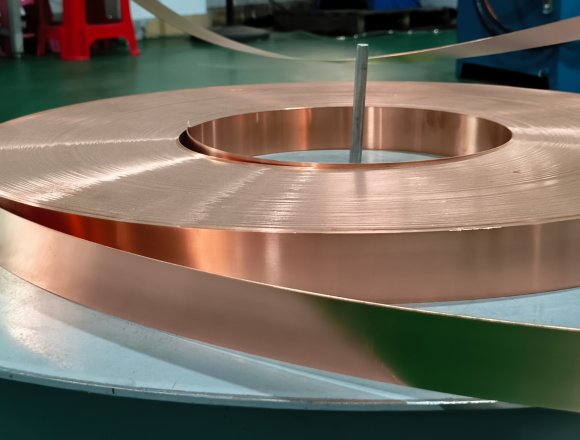
Segment Materials | high-conductivity copper alloys; silver-bearing copper options evaluated when required |
Insulation System | mica-based insulation systems and related structures |
If you have a required material grade or compliance document list, include it in your RFQ. We’ll confirm availability and documentation with the quotation.
Compliance: REACH / RoHS documentation support is available upon request (based on material and customer requirements).
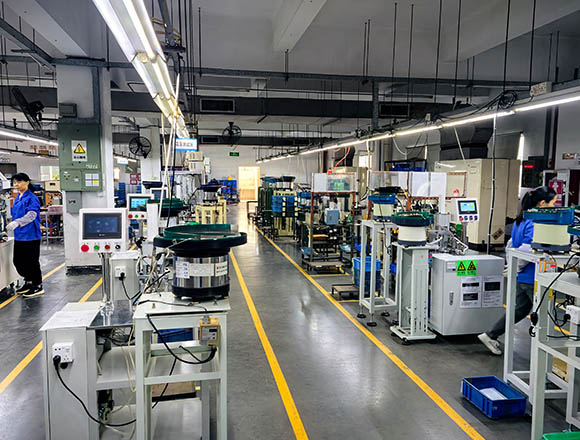
Typical Capability Range
The ranges below reflect common automotive designs we produce. Final tolerances and inspection plans are confirmed during review.
Typical Achievements
Industrial buyers prefer numbers. Below are typical control ranges we commonly achieve on automotive commutators.
Actual targets depend on OD, structure, and program CTQ requirements, and are confirmed during sampling/qualification.
- Runout / Concentricity (TIR): typically 0.01–0.03 mm, depending on OD and structure. Tighter targets are available for specific applications and are confirmed during sampling with the agreed measurement method.
- Segment-to-segment consistency targets: typically defined and controlled within 0.005–0.020 mm, depending on design and measurement method
- Edge / burr control: controlled via process + inspection to protect brush seating and reduce short-risk (acceptance criteria defined per CTQ)
If your program requires tighter targets, we review feasibility and confirm the inspection method and control plan before sampling.
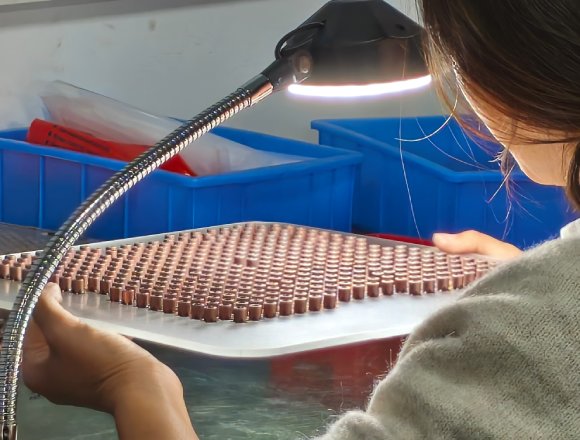
Baseline Quality Controls (Risk Reduction for Tier-2 & Aftermarket)
Commutators often fail due to geometry drift, burrs, contamination, insulation issues, or unstable contact surfaces. Our baseline controls typically cover:
Geometry & Consistency
- Runout / concentricity controls aligned to CTQ features
- Segment uniformity controls to protect brush contact stability
- Surface condition checks appropriate for commutation stability
Edge / Slot / Undercut
- Burr control and slot cleanliness
- Undercut quality (when required by design)
- Visual and dimensional verification of critical edges
Electrical Verification
- Continuity verification and insulation-related checks suitable for the design
What you can request: Dimensional layouts, CTQ measurement records, material certificates (as required), and traceability definition.
Documentation Support for Automotive Programs (AIAG PPAP)
For structured qualification workflows, we support AIAG PPAP documentation and customer-specific submission packages. We follow a clear, standard workflow:
- Confirm your checklist (AIAG format supported; customer-specific formats accepted)
- Align element list + submission scope (what you need, by when)
- Sampling + measurement layouts (CTQ evidence aligned to program needs)
- Submission package delivery (documentation + traceability approach)
- Feedback loop & closure (revise/complete items until approval)
Common deliverables include dimensional layouts, inspection records, process documentation, and material/compliance documents (per requirement). Submission scope and level are aligned during RFQ to match your program timeline and customer expectations.
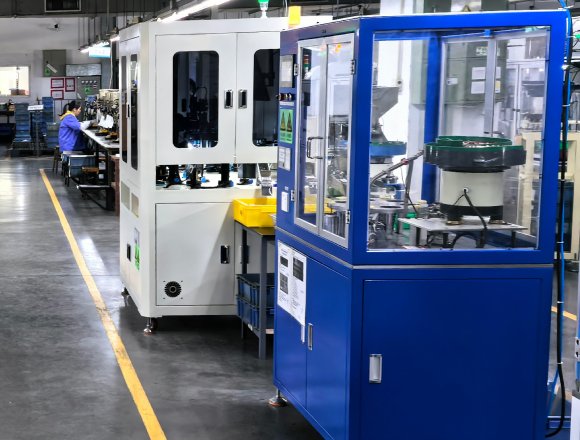
Manufacturing & Quality Control for Every Car Commutator
We structure every car commutator project around a clear production and testing plan.
Blower / HVAC Motor Commutators
Designed for long duty cycles and elevated temperatures. We prioritize surface stability and geometry consistency to reduce abnormal brush wear over life.
Wiper Motor Commutators
Frequent start/stop and varying loads often cause noise, vibration, and intermittent commutation issues. We focus on geometry stability, clean edges, and contact surface condition to improve operational consistency.
Window Lift / Seat / Mirror Motor Commutators
Compact packaging and repeated cycling demand consistent build quality. We help define CTQ features that reduce variation and improve life consistency.
Fuel Pump Motor Commutators
Continuous operation and heat exposure require stable commutation and consistent assembly quality. Brush/commutator pairing considerations can be included in engineering review when the program requires it.
Starter Motor Commutators (Heavy Duty)
High current peaks and thermal shock increase demands on material selection, insulation integrity, and mechanical robustness. We review CTQ features carefully during feasibility and sampling to ensure stable performance in heavy-duty structures.
Manufacturing Flow (Overview)
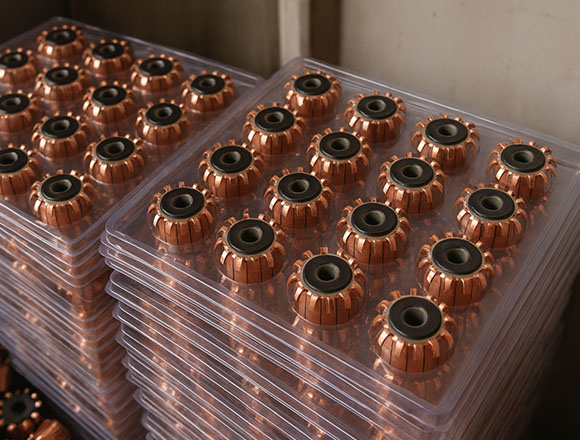
A typical production flow includes:
- Material preparation
- Segment forming & assembly
- Insulation placement / molding
- Turning & finishing
- Undercut / slot finishing (when required)
- Cleaning & final inspection
- Protective packing for shipment
Process steps vary by structure and program requirements.
How Projects Work
1. Share your drawing or sample
Preferred: PDF + STEP/DWG. Samples and photos with key dimensions also work for initial evaluation.
2. Engineering review & CTQ definition
We confirm structure, feasibility, and baseline inspection plan. If helpful, we provide DFM feedback to improve yield and reduce cost.
3. Quote & schedule
You receive pricing and a clear sampling/production timeline based on design complexity and quantity.
4. Sampling & qualification
Samples are produced for your validation and approval process. Documentation scope is aligned to your checklist.
5. Production supply
After approval, we support repeatable production with defined inspection and traceability options.
Request a Quote (Engineer-Reviewed, Fast Response)
To speed up quotation, please include:
- OD / bore / length
- Segment count
- Connection type (hook / tang / slot)
- Application + duty cycle (blower, wiper, window lift, fuel pump, starter, etc.)
- Target annual volume (optional)
- Drawings or photos (recommended)
- Current pain points (e.g., noise, brush wear, sparking, life target, lead time)
Privacy note: Your contact details are used only to respond to your request.
Contact Us – Partner with XDC for Your Next Car Commutator Project
Ready to source a reliable car commutator from a dedicated Chinese manufacturer?
XDC’s technical and sales teams are available to support:
- New platform development
- Localization of existing car commutator designs
- Cost-optimized alternatives without sacrificing performance
- Long-term supply agreements for OEM and aftermarket programs
Contact us today with your drawings, samples, or target specifications, and we will provide a tailored car commutator proposal with clear lead times, tooling plans, and quality documentation.
FAQs
Yes. We manufacture to customer drawings/specifications and confirm CTQ features during engineering review. Inspection planning is aligned to the program requirements.
Yes. We support AIAG PPAP documentation and customer-specific packages. Submission scope is aligned during RFQ based on your checklist and timeline.
Hook, tang, slot, flat commutators, and custom terminals—subject to feasibility review and performance requirements.
Common items include dimensional layouts, inspection records, and material certificates (as required). Additional verification outputs can be aligned to your program.
PDF, STEP, and DWG are preferred. Samples and photos with key dimensions are also accepted for initial evaluation.
Related Resource
At XDC, we share our deep insights into commutators, manufacturing processes, and industry experience on our blog. We invite you to explore these articles to learn more about our expertise.
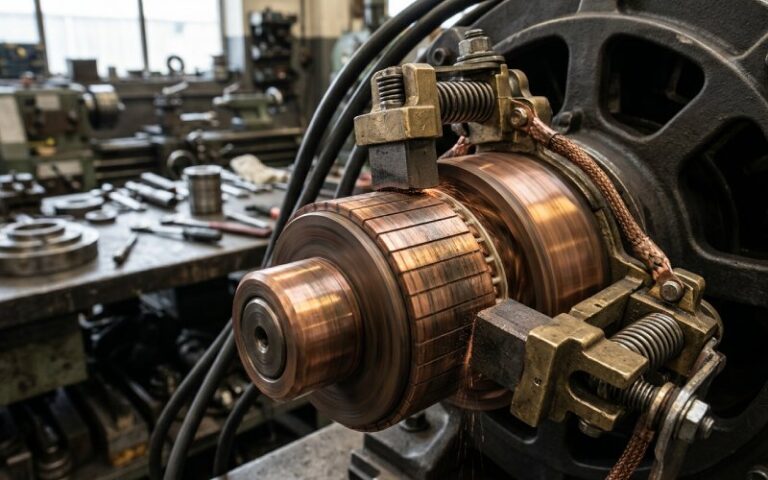
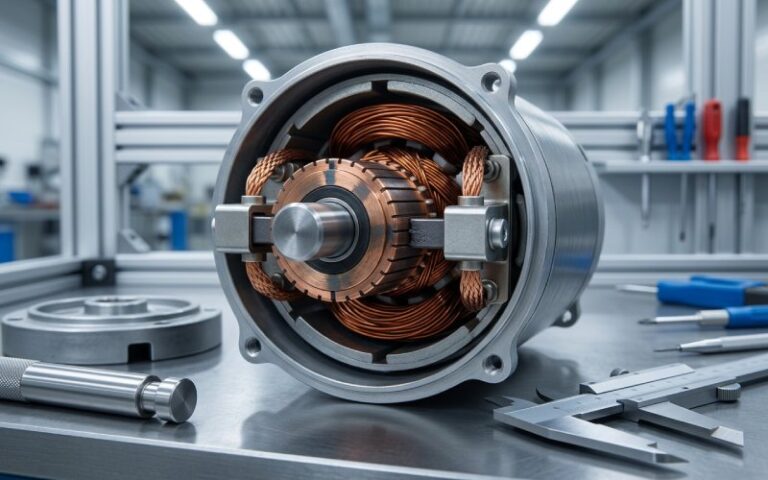
Commutator Sparking and Wear: Why Brushes Must Align With the Motor Neutral Plane
The motor neutral plane is the running position where the coil under the brush can reverse current with the…
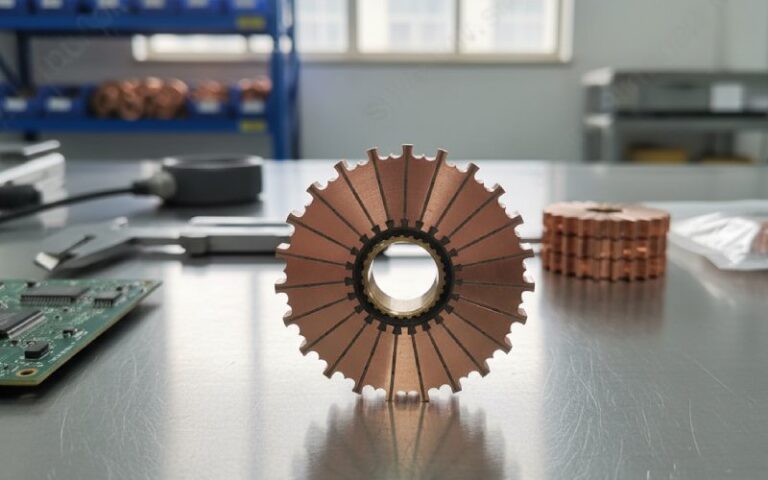
DC Motor Squealing Noise: Is It the Carbon Brush or the Commutator?
When a DC motor starts squealing, most people replace the brushes first. Sometimes that works. Sometimes the noise goes…
How to Check a Commutator for Roundness or Runout
Most bad readings start before the indicator touches copper. That is usually the whole job, really. Not the gauge.…